Attic Animal Removal in Orlando, FL
Rats, squirrels, raccoons, and bats can damage insulation, wiring, vents, and soffits in Orlando-area homes. If you hear scratching or thumping overhead, see droppings, or notice a roofline gap, call or send the form. You do not need to identify the animal first.
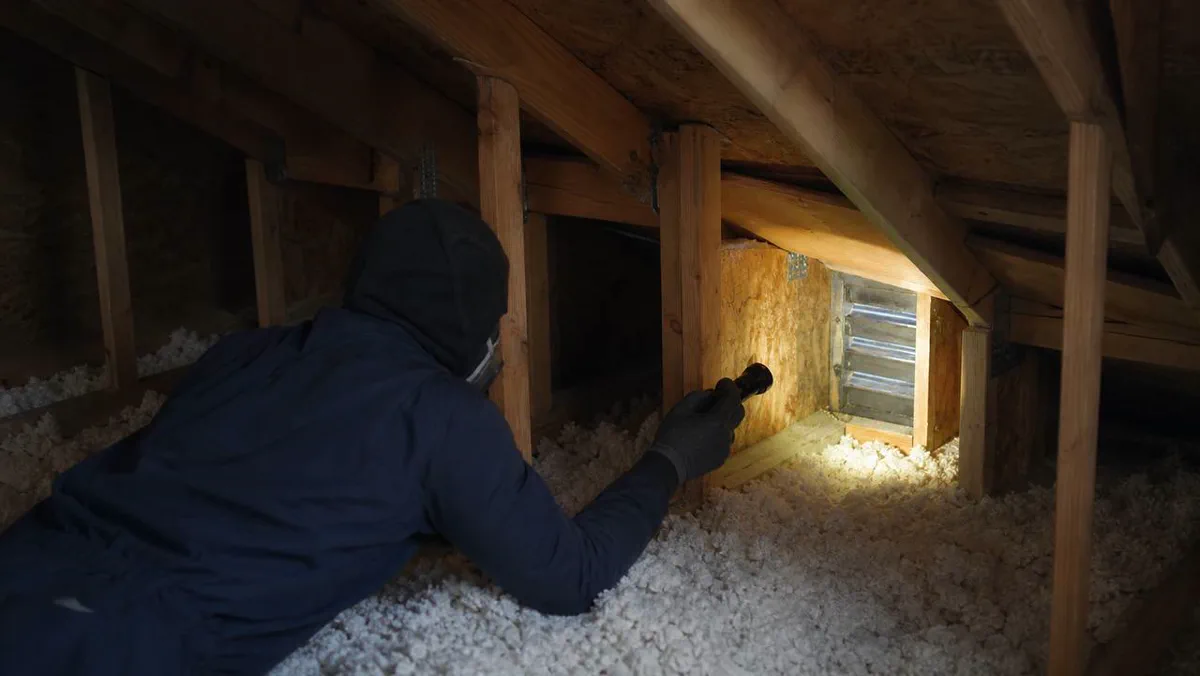
Getting the animal out is half the job. Sealing the entry points and addressing droppings is what keeps the problem solved.
Rats, squirrels, raccoons, and bats each need a different approach. The inspection identifies what is actually up there before anything is trapped or sealed.
Cost depends on entry points, attic access, and cleanup scope, so the number comes after someone has actually looked.
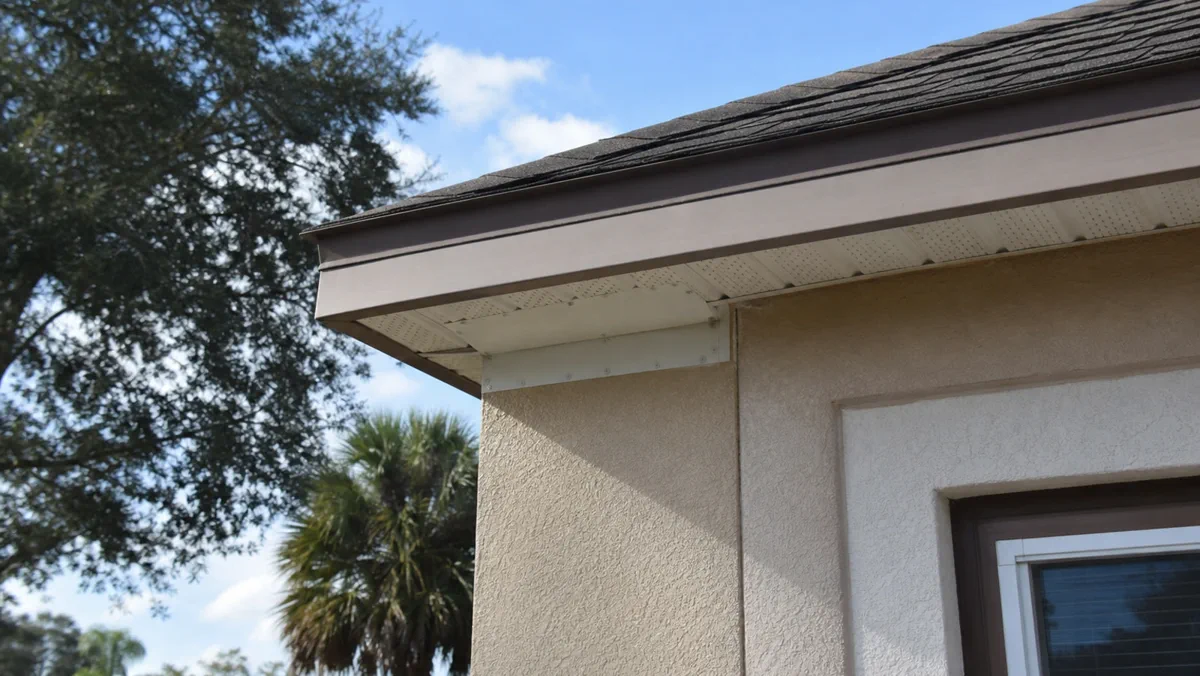
What an Orlando attic inspection looks for
Wildlife we remove from Orlando attics
Central Florida attics mostly attract four animals, and each leaves a different signature. Roof rats are the most common — light scratching and scurrying at night, droppings along the trusses, gnaw marks on wiring. Squirrels are the daytime culprit, loudest in the early morning, and they chew soffits and fascia to get in. Raccoons are the heavy walkers — slow thumps overhead at night, torn soffit panels, flattened insulation. Bats are the quiet ones, showing up as chirping near dusk and guano staining below a roofline gap. Opossums and the occasional snake follow the same entry points. If you are not sure which one you have, start with the animal in attic guide or just call — the noise pattern usually narrows it down in one conversation.
How attic animal removal works
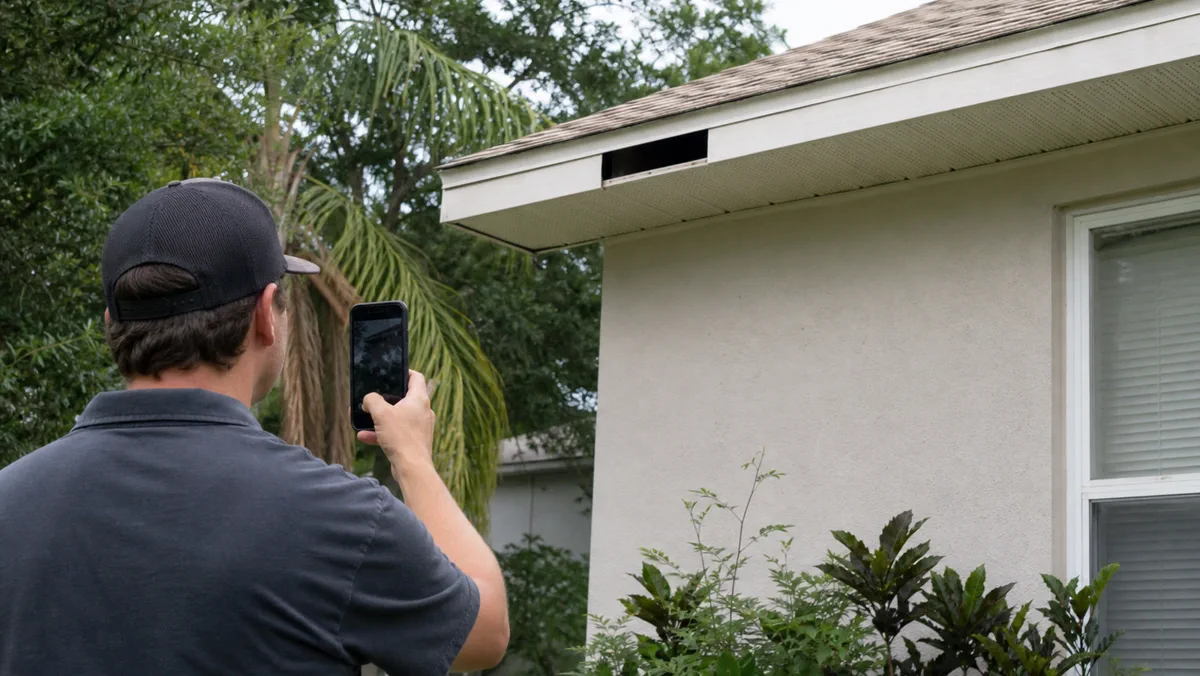
The roofline, soffits, vents, and attic get checked to identify the species, find every entry point, and gauge how much contamination is up there.
Depending on the animal and Florida rules, that means trapping, one-way doors that let the animal leave but not return, or timed exclusion work.
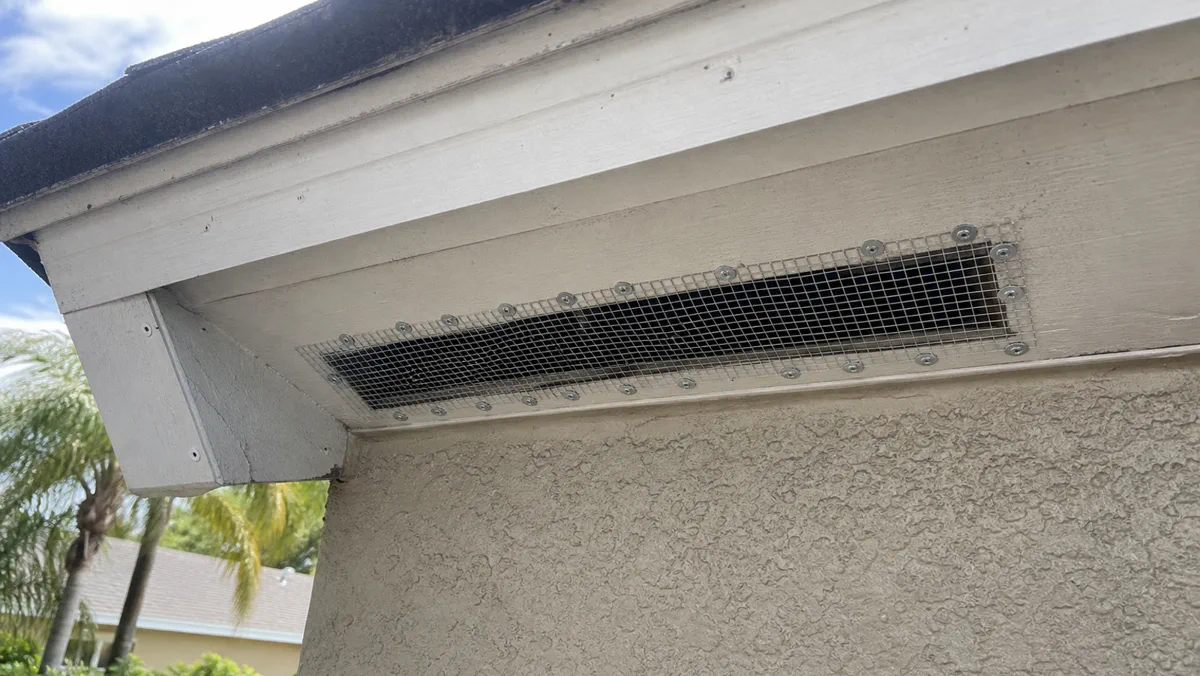
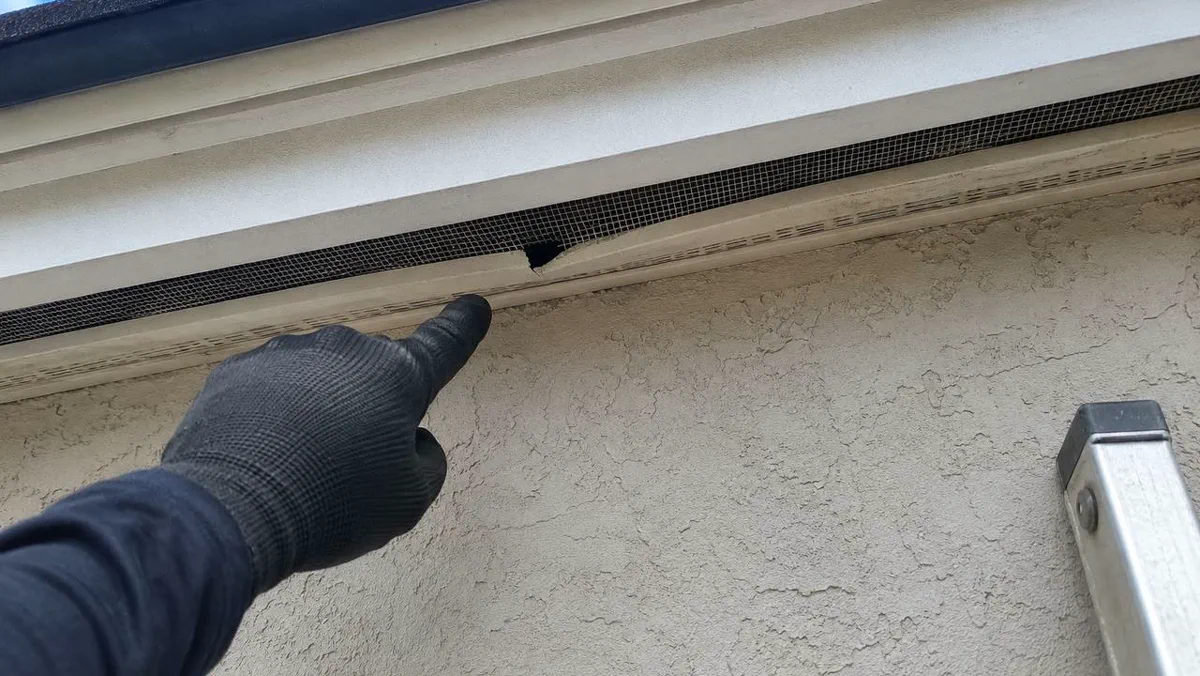
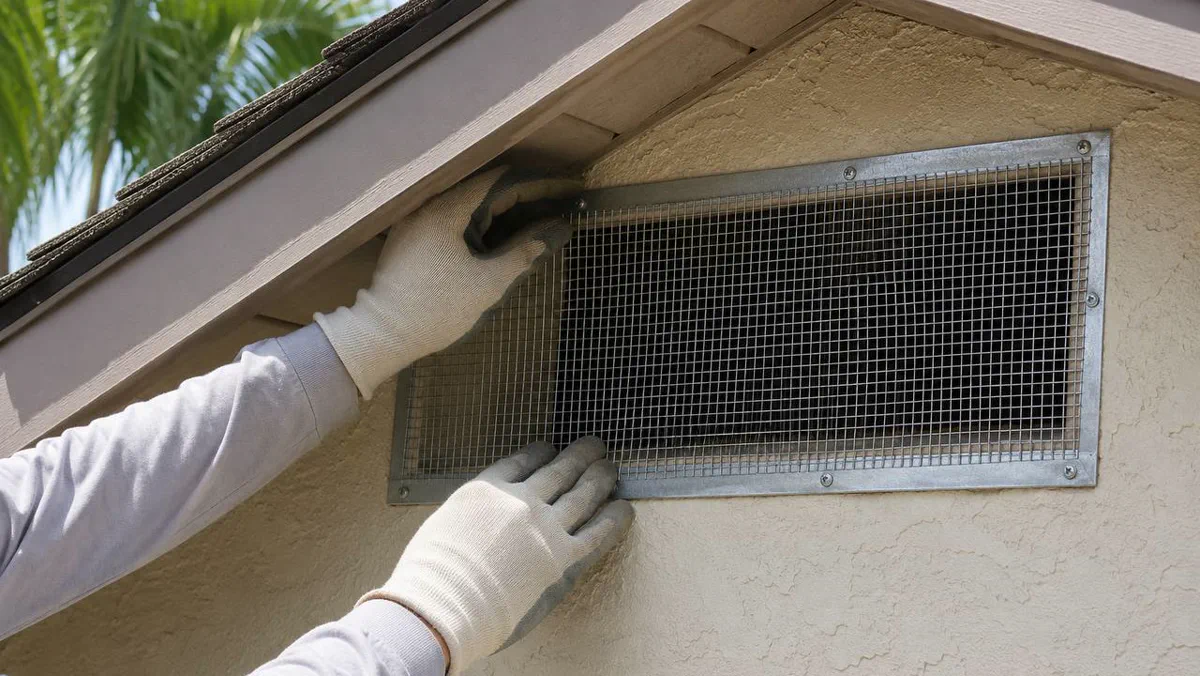
Entry points get closed with materials animals cannot chew through, and droppings, nesting material, or damaged insulation get addressed when needed.
Still hearing movement overhead?
Call with the time of day and room where you hear it. You do not need to identify the animal first.
Attic noises and what they usually mean
Scratching in the ceiling at night, almost always after dark and often in bursts, points to roof rats — they are Orlando’s most common attic animal by a wide margin. Fast scampering or rolling sounds in the early morning and late afternoon point to squirrels, because they leave the attic during the day to feed. Slow, heavy walking or thumping you can track across the ceiling is the classic raccoon pattern. Fluttering or faint chirping concentrated around dusk, especially near a gable vent, suggests bats. None of these noises goes away on its own, because the attic is solving a real problem for the animal: it is dry, warm, and safe from predators. The noise tells you something got in; the inspection finds out what and where.
Why Orlando homes get attic animals
Three local conditions do most of the work. First, mature oak canopy: limbs that overhang or touch the roof are a highway for squirrels and roof rats, and heavy shade hides soffit gaps from the ground. Second, Central Florida construction: soffit returns, gable vents, and builder gaps where roof planes meet are exactly the size animals exploit, and summer storms loosen them a little more every year. Third, the weather itself — a hot, wet season followed by Florida’s mild “winter” pushes animals to nest indoors year-round rather than seasonally. That is why an attic problem here rarely resolves by waiting for a season to change.
What Affects Cost or Scope
Attic animal removal pricing depends on what the inspection finds: the species, how many roofline or soffit gaps need to be closed, how easy the attic is to access, whether young animals are present, and whether droppings, nesting material, or damaged insulation need cleanup. A professional outlines pricing from those findings, not from a guess over the phone. The work itself is usually a combination of exclusion and sealing plus removal, with attic cleanup added when contamination or nesting damage calls for it.
What Happens After You Call or Send the Form
You do not need to identify the animal before reaching out. The first conversation confirms your area, what you have been hearing or seeing, and whether the problem sounds urgent enough to schedule an inspection. From there, the inspection answers the harder questions — which animal is present, how it is getting in, what removal method fits Florida rules, and what sealing or cleanup may be needed.
Finding the entry point and closing it correctly
Get Attic Animal Help Without Identifying the Animal
You do not need to climb into the attic, know which animal it is, or wait for the noise to get worse. Call or send the request form with what you are hearing and where, and the next step can be narrowed down from there.
Frequently asked questions
How can I tell whether the animal in my attic is a rat, squirrel, raccoon, or bat?
Timing is the biggest clue. Light scratching and scurrying after dark usually points to roof rats. Daytime scampering, especially early morning, usually means squirrels. Slow, heavy thumping at night suggests a raccoon. Bats are quieter — chirping or fluttering near dusk, often with staining or guano below a roofline gap. We sort this out during the inspection, so you do not need to identify the animal before you call.
Does trapping alone solve an attic animal problem?
Usually not. If the entry point stays open, another animal moves in — often within weeks. A complete job identifies the species, removes or excludes it legally, seals the openings, and deals with droppings or nesting material when needed. That is why we treat removal and exclusion as parts of the same job.
Is it dangerous to leave an animal in the attic?
It gets more expensive the longer it goes on. Rats and squirrels chew wiring and duct lines, raccoons tear up insulation and soffits, and droppings accumulate in the insulation. Most attic animal jobs that turn into insulation replacement started as a noise someone lived with for a few months.
What does attic animal removal cost in Orlando?
It depends on the species, how many entry points the roofline has, how accessible the attic is, and whether contaminated insulation needs attention. That is inspection work, not guesswork, so pricing comes after looking rather than before the job scope is known. Our cost factors page explains what moves the price up or down.
Do you handle animals humanely and legally?
Florida has species-specific rules for how wildlife can be removed, relocated, or excluded — bats in particular are protected during maternity season. Our humane and legal FAQ covers the basics, and the removal method for your job is confirmed during the inspection.
Can I call even if I have no idea what is up there?
Yes — that is the normal starting point. Tell us what you are hearing, roughly where, and when it happens. Identifying the animal is our job, not yours.